

I have been a bus conductor for many years. Long enough to know people by habit, not by face.
Every morning, at 6:40, our bus stops near a broken tea stall outside a small village near Madurai. The road is narrow there. Dusty. Quiet. That is where I first noticed the goat.
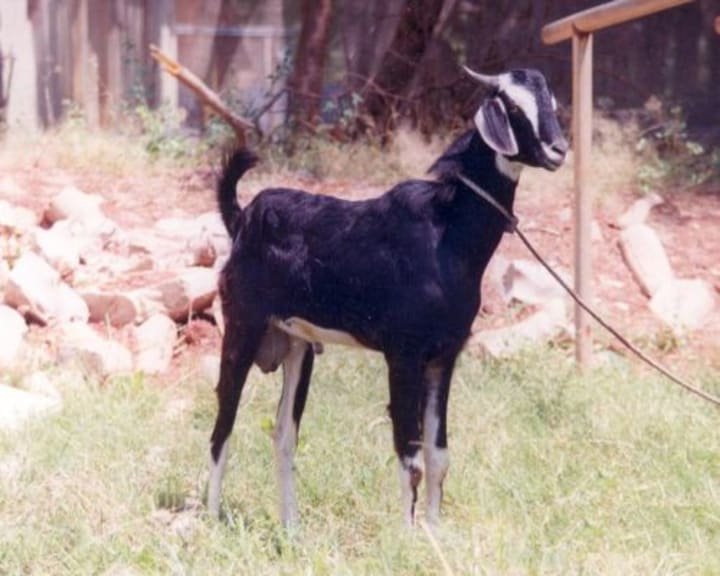
A black goat. Medium size. Thin rope around its neck. It has calm eyes amidst any choas. It climbed the bus steps slowly. No fear. No hurry. It stood near the engine cover and stayed there. There was no one to question the happening.
On this route, people carry everything. They would carry sacks of rice, corn, steel buckets, chickens tied by their legs and so on. One goat felt normal. I tore a ticket and called the next stop.
The goat always got down near the same place. A construction site on the edge of Chennai. Half built walls. Steel rods pointing up. Blue plastic sheets tied with rope. Men waiting for work. The goat jumped down and walked away.
In the evening, I saw it again. At 6:10, it waited near the same site. It boarded the bus without help. No rope this time. No person. It stood in the same spot. It got down near the tea stall. Then it disappeared into the village lanes. This happened every day. I did not feel surprised. Routine explains many things.
After some time, I began to notice more. The goat never cried on the bus. Never panicked when people pushed past it. When children laughed, it stayed still. When the bus turned sharp, it balanced itself. It knew when to get down. It was never early and never late. It knew the route well. Better than some people.
One slow afternoon, I walked near the construction site. The goat was tied near a blue sheet tent. A woman cooked rice on a small stove. Two children sat near her. Their clothes were dusty. Their school bags lay nearby.
The woman saw me and smiled.
“Bus-la varum,” she said, pointing at the goat. She looked proud.
She told me they were from the same village near the tea stall. Her husband worked at the site. They brought the goat because they could not leave it behind. The goat’s milk helped to survive. The children felt less lonely.
“She knows the bus,” the woman said.
I nodded. That part was clear.
The goat lived two lives. Village in the morning. City in the day. Village again at night. Like many people on my bus. Then one Monday, something changed. The goat boarded as usual. Same calm walk. Same place near the engine. But it did not get down at the construction site.
The bus moved ahead. I slowed at the next stop and looked back.
“Erangala?” I asked.
The goat stood still. People began to look. Someone laughed at the situation. A man tried to guide it down. The goat refused to step down. I stopped the bus fully and helped it down. The goat looked around. It seemed unsure. Then it stood there and watched the bus leave. That evening, it boarded again. There was same silence with same eyes.
The next day, I understood why.
The construction site was empty. There were no sight of blue sheets, stove, and children. Only dust reminded in the place. Someone said the workers were sent away. New contract. New place. Somewhere farther north. The goat did not know this.
For many days, the goat continued its routine. In the morning, it board, get down and evening board, it got down at the same place. It waited. It returned alone.
People started talking.
“Owner left.”
“Poor animal.”
“Someone should take it.”
I kept watching.
One morning, the goat did not get down at all. It stayed on the bus till the last stop. The depot. It walked around slowly. Sniffed the ground. Then stood near the gate. That day, I did not shout. I did not chase it away. I sat beside it on the bus steps until my shift ended. After that, the goat kept riding. Same time. Same stops. No place that answered back.
One evening, I saw the woman again. She sat on another bus. Her face looked thinner. Her eyes looked tired. She saw the goat through the window. She closed her eyes. The bus moved on.
After that week, the goat stopped coming. I do not know where it went. Maybe someone took it. Maybe it followed another bus. Maybe it waited somewhere until waiting became too heavy. Even now, when I punch tickets and call out stops, I remember that goat.
People say migration is about moving far. I think it is about repeating things after the reason is gone. The goat knew the route perfectly. What it never understood was why the route stopped leading to its people.


