

The streets weren’t safe after dawn.
Her house wasn’t safe either.
Saroja had learned it slowly, the way you keep pressing on a bruise, again and again, hoping this time it wouldn’t hurt.
******************
Saroja could not move. Could not speak. Hadn’t in years.
A lorry. A wet flyover. Their car ramming into the median. Her daughter Meera, twenty then, half asleep in the back seat, had walked away with a fractured wrist. Her husband did not walk away. Saroja woke six weeks later into a body the doctors called locked-in — a brainstem struck just enough to seal every door except for the mind that stayed. Sharp. Awake. Listening.
Chinnamma, an attendant in her sixties, came every morning to turn her, feed her, work her stiff joints, and left every evening smelling of coconut oil and Amrutanjan.
Meera soon got a job at a textile export house. That was where she met Karthik. A logistics coordinator, soft-spoken, unexpectedly patient with a colleague whose evenings were swallowed by hospital follow-ups. He drove them to appointments. Learned Saroja’s medicine schedule. Stayed when it mattered most. Sometimes, even when it didn’t. He once spent an entire Sunday afternoon figuring out which angle of afternoon light bothered her eyes, and shifted her bed himself without being asked. Soon, trusting him stopped feeling like a decision and started feeling like breathing. In. Out. Easy.
They married a year later. Saroja, propped upright and strapped into the wheelchair for the ceremony, wept. Only now, her tears seemed to be on an indefinite strike.
Within a month, Chinnamma was let go. A missing gold chain. A bruise on Saroja’s wrist.
We shouldn’t trust outsiders with her. You’ve done this alone too long. Two jobs, no rest. Let me carry some of it. Please.
Meera, grateful, agreed eventually.
Karthik started night shifts at the warehouse, freeing up his days, giving up his nights for someone who wasn’t even his blood.
Meera left for work at eight. After bathing her, feeding her porridge and medicines, talking about everything and nothing, before kissing her forehead and leaving.
She came home to dinner Karthik had already cooked. Thoughtful as always. By nine, the front door clicked, his car pulling away.
Saroja learned to measure nights by sound. The main door latching shut. The engine fading down the lane. The neighbour’s dog barking itself out. Meera’s soft footsteps. Her soothing words. Her evened-out breath as she drifted to sleep. After that, quiet.
Saroja never slept in this stretch. The only hours that were only hers…She wasn’t going to lose them to sleep. So she stayed awake and let them pass. Until the first kaw-kaw before daybreak, testing the dark to see if it would answer.
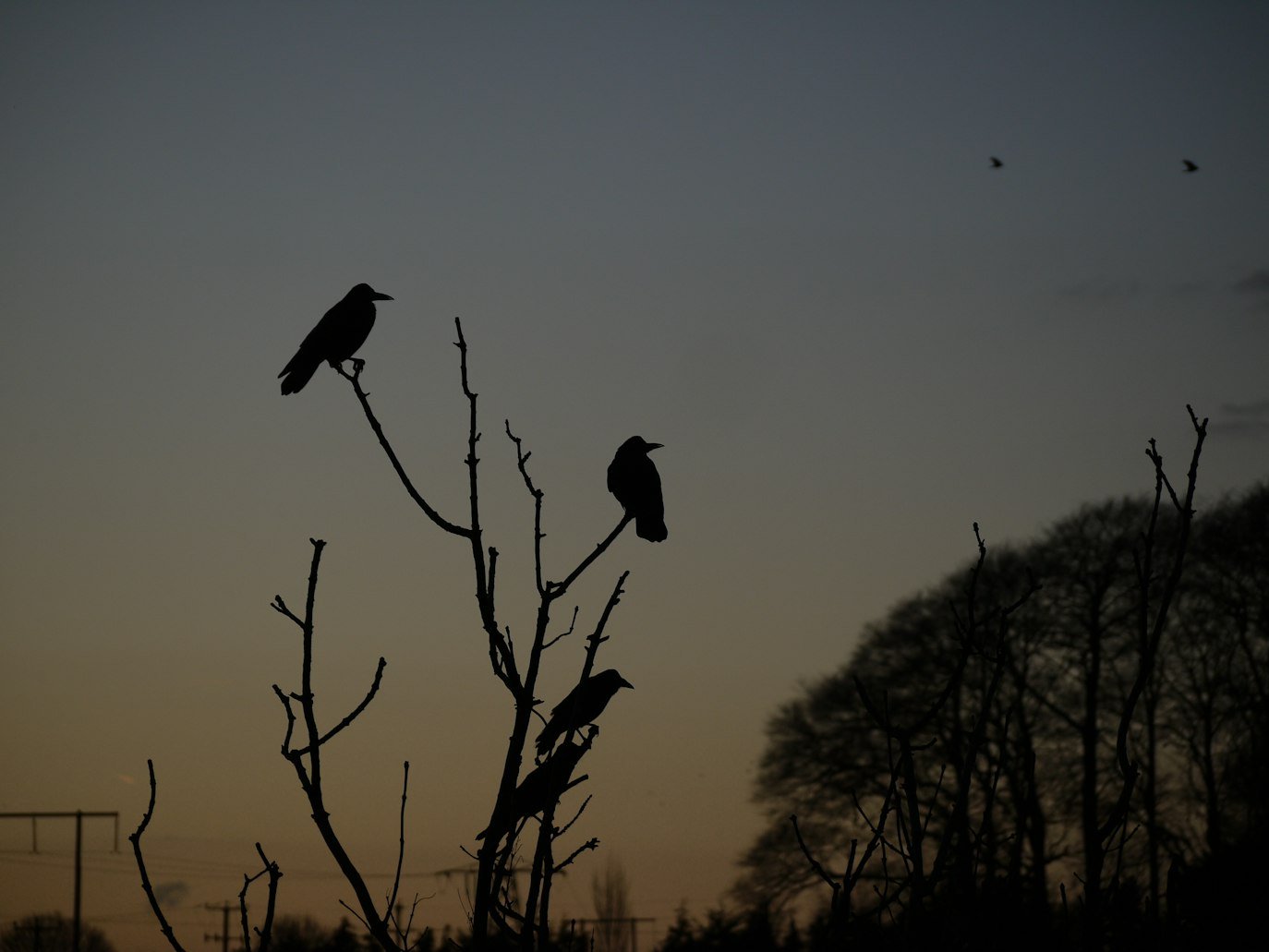
Then a second kaw-kaw. Third, a few minutes later…Calling the sky to wake up just the way you’d coax a reluctant child out of bed. She hated everything about those crows. Their stupid enthusiasm. Their stubborn chirpiness. Their unwavering punctuality.
Saroja felt the sun before she saw the sky change colour. A warmth on her eyelids, faint at first, then slowly brightening, slyly egging her to open her eyes.
The house woke up when Meera did. The tap running while she bathed her mother, her hands gentle and familiar. The rice-porridge breakfast. The medicine. A kiss on the forehead.
Some mornings, Saroja held her eyes on Meera’s face a beat longer…Willing them to blink. Just once.
Ordinary things her body once did without her mind asking it to. Now when her mind asked for everything, her body answered nothing.
Just once, she wanted Meera to notice and ask, Amma, what is it? But Meera’s mind moving mile-a-minute, was already somewhere else. The moment soon passed like it always did.
Then, the chatter of the tiffin box. Karthik’s warm voice reminding Meera not to forget her umbrella. The goodbyes. The scooter kick-starting. The door clicking shut. Everything same as always.
Then his footsteps, coming back inside.
Tap. Tap. Tap.
Then the latch. Not the main door this time, but her own room’s door. The one that never locked from her side and never needed to from his.
He always smiled before he began. A smile that lived only in this room, for his only audience.
You like this, don’t you?
He talked to her. Softly. Fondly. Knowing anything he said would never be repeated.
His hand, where a hand had no business resting. Tugging. Pinching. Flicking. Spanking. Spreading. Taking. The smell of soap and aftershave. Underneath them, the smell of dread and disgust.
Afterward, he left her exactly as she was. Not turned. Not covered. Pulling his pajamas on, he walked out to shower, not bothering with his shirt.
She lay there. Still. Imprisoned by her own body. Until he came back to set her right again. Unhurried. Unbothered. The way you straighten a photo frame that’s gone crooked on the wall.
By six, the smell of dinner filled the house. Meera came back, kissed his cheek and repeated what she repeated every day. That she didn’t know what she’d do without him. That her mother was lucky. That not every family had a son like him.
Nine o’clock. His car pulled away again. The house went quiet. A good kind of quiet.
And Saroja lay there in the dark, still awake, still safe, for a few more hours, waiting for the crows to start again, hating them a little more every single time, and never once being able to tell anyone why.


