

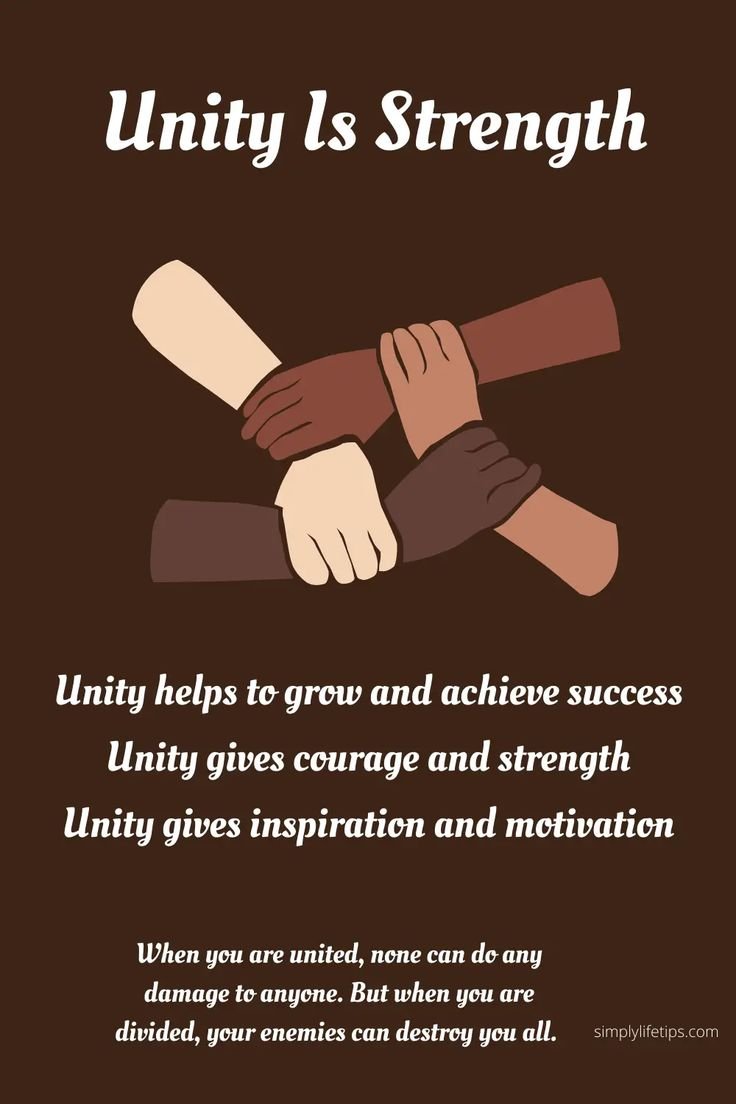
Nestled in the beautiful hills of Himachal, the picturesque village of Sanjha is built on the principle of ‘Unity is strength—’ To do things collectively, whether to love, be happy, or fight for peace.’ For decades, Ram Kalyan, the village head, has witnessed everything—from love turning sour and property disputes to bloodshed and religious differences. Having seen his family massacred and the dignity of helpless women tarnished, he envisioned transforming Sanjha into a vibrant, united community filled with laughter and happiness.
One day, while walking near the outskirts of the village Sanjha, Ram heard the joyful laughter and voices of the village belle, Gauri. Her unique laugh and the tinkling of her anklets captivated him. From behind the trees, he caught a glimpse of her and was struck by her charm. Though someone called her name and she hurried back to her friends, Ram remained rooted there for a long time.
He felt that his destiny and peace lay in this village. Achieving the status he held required hard fighting, but as the saying goes, ‘jaha chaha waha raha.’ Over many days, he observed the villagers’ way of life and his beloved Gauri.
Ram freed farmers’ lands from the grip of moneylenders, returning their land with only ten per cent of the profits taken by him. He established cottage industries to produce and sell local goods, creating employment, and empowering women with recognition and independence. Thanks to Ram’s vision and the villagers’ efforts, Sanjha flourished. Eventually, Ram married Gauri with everyone’s blessings.
He then introduced the tradition of Sanjha chulha, where villagers gathered to cook, eat, share stories, and discuss matters—fostering a close-knit community. Despite passing decades and emerging problems, Sanjha remained steadfast in its unity.
However, as the village prospered, jealous rivals emerged, trying to disrupt its peace with unfair practices. One day, a seemingly friendly sage arrived, winning the villagers’ trust through his melodious sermons on brotherhood and spirituality. He preached that maya and moh are demons that hinder spiritual growth, urging people to sever all worldly attachments. Many villagers became his followers, blindly trusting him.
Over time, signs of neglect appeared. Villagers began neglecting their duties and the bonds that once held them strong. The sage’s teachings proved flawed—while discouraging maya, he accepted large donations in the name of ‘daan.’ Outsiders flocked to him for blessings, but many were actually his accomplices.
The lively Sanjha chulha grew silent. Ram was observing and keeping a check from afar. The background of Sagee and his goons was uncovered and he turned out to be the right-hand man of Jagdish ( the land mafia). When Ram saw the villagers drifting from their values and ,path, it started affecting their families. He called a secret meeting, presenting evidence of the sage’s true motives for coming to their village.
Shamed and furious, the villagers wanted to confront the sage, but Ram advised restraint. The next morning, they invited him and his followers to a community feast at Sanjha chulha. Thinking the villagers were still under his spell, the sage accepted.
However, when the guests arrived, they were welcomed warmly, served a lavish feast, and treated like royalty. After dinner, they lined up in search of washrooms because the food was mixed with jamal gotta. Next, the villagers tarnished their faces with black paint and stripped them. They put garlands made of shoes around their neck and beat them black and blue. Afterwards, the villagers paraded them on donkeys in neighbouring villages before handing them over to the police.
Grateful for saving their village from the sage’s clutches, the villagers reaffirmed their commitment to the fundamental rule: “Unity is strength.’
Glossary
Jaha chaha waha raha- Where there is a will there is a way
Sanjha chula- And an old tradition of cooking and eating together
Maya- Money
Moh- Adoration
Jamal gotta- A Powder drug used to upset the stomach


